 Bambu Proje-Danışmanlık
Can you build a house on an olive grove? 2026 rules, vineyard houses (bağ evi) and Article 20 of the Olive Growing Law
Last updated: 23 November 2026. The information is based on the current texts of the laws and regulations on mevzuat.gov.tr; a list of sources is given at the end of the article.
Short answer: You cannot build a house on an olive grove, and you cannot build a vineyard house (bağ evi) either. Article 20 of the Olive Growing Law No. 3573 (Zeytincilik Kanunu) is clear: “Olive-growing areas may not be reduced.” Uprooting olive trees to make room is no solution either: removing trees requires the Ministry's permission based on technical-scientific grounds, and an olive tree may not be cut down unless there is absolute necessity. The facilities that may be built in an olive grove with Ministry permission are not homes but olive oil mills and small-scale agricultural industry businesses. In an olive grove brought into the zoning plan within municipal boundaries, total development, including infrastructure and social facilities, cannot exceed 10% of the area.
Can you build a house on an olive grove?
No. The size of the olive grove, the title deed (tapu) being in your name or the building being small does not change the outcome. Even if you have 10 dönüm (1 dönüm = 1,000 m²) of olive grove inherited from your ancestors, you cannot build a house on it.
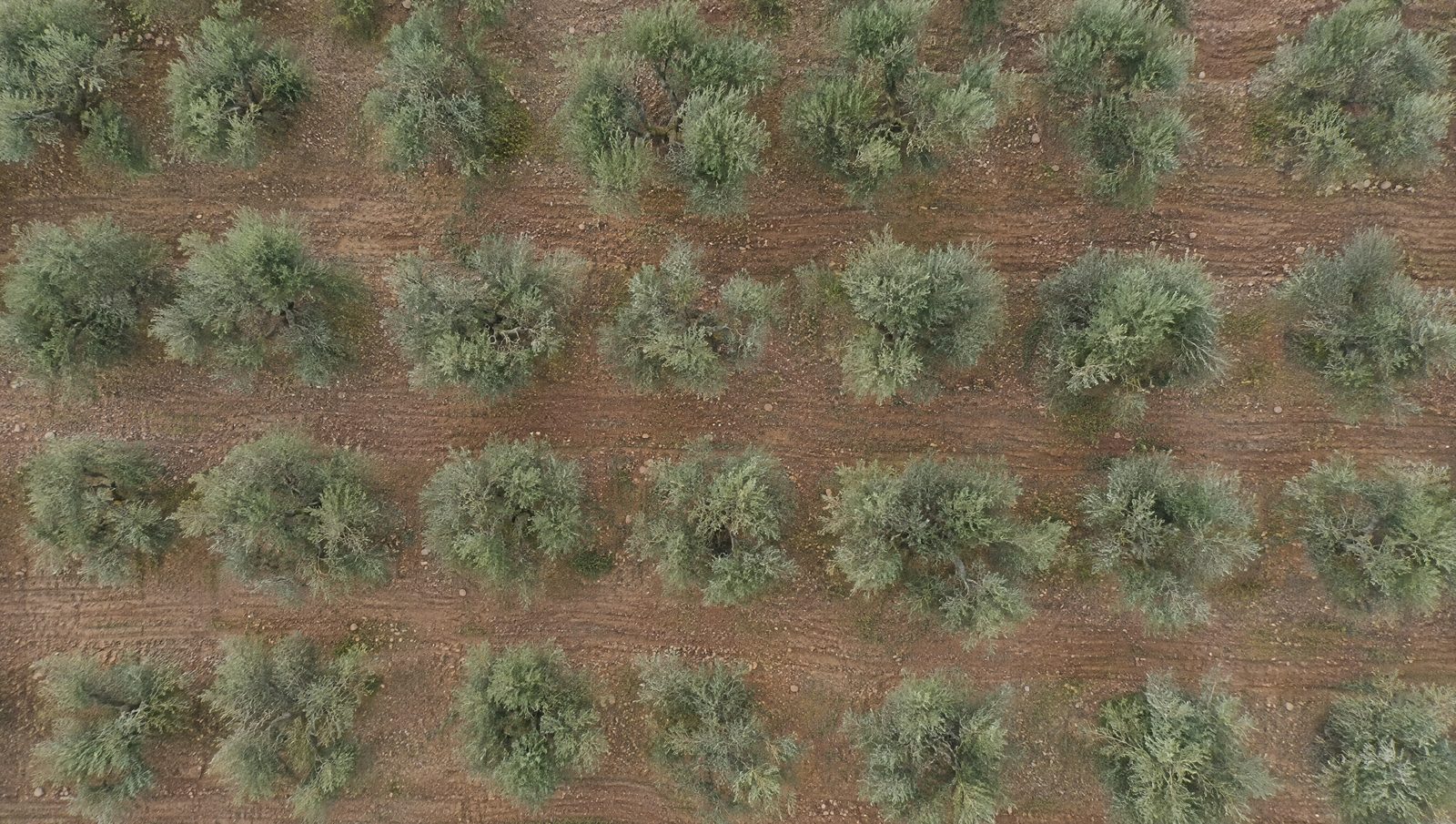
The reason is that, in addition to the Soil Conservation and Land Use Law No. 5403 (5403 sayılı Toprak Koruma ve Arazi Kullanımı Kanunu), olive groves are protected by a separate law dated 26 January 1939: Law No. 3573 on the Improvement of Olive Growing and the Grafting of Wild Olives. The second paragraph of Article 20 of the Law took its current form in 2008 through Law No. 5728, and its first sentence alone settles the matter:
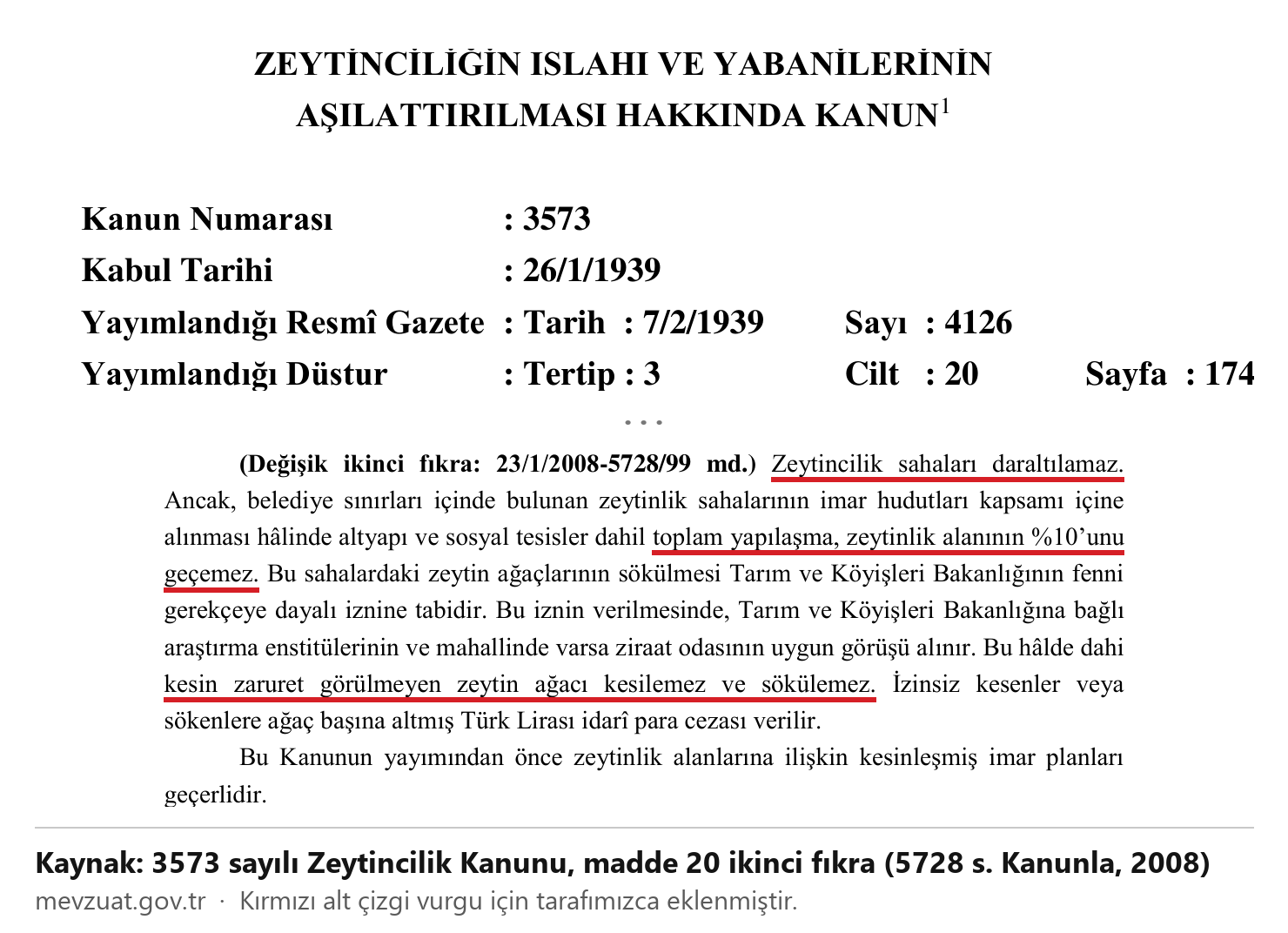
Olive-growing areas may not be reduced.
…total development, including infrastructure and social facilities, may not exceed 10% of the olive grove area.
…an olive tree may not be cut down or uprooted unless absolute necessity is established.
The Law does not list one by one which structures count as a “reduction”. But every building, concrete base or courtyard built inside an olive grove sets aside part of the olive-growing area for another purpose. For this reason, the Provincial Directorates of Agriculture and Forestry (İl Tarım ve Orman Müdürlüğü) do not accept applications for a house or a vineyard house in an olive grove; this is the practice we at Bambu see in the field.
Can you build a vineyard house on an olive grove?
In an ordinary vineyard or orchard (planted agricultural land), anyone with at least 10 dönüm (1 hectare) of land can obtain a permit for a two-storey vineyard house with a footprint of 30 m². The details of this rule are in our article on the conditions for building a house on farmland.
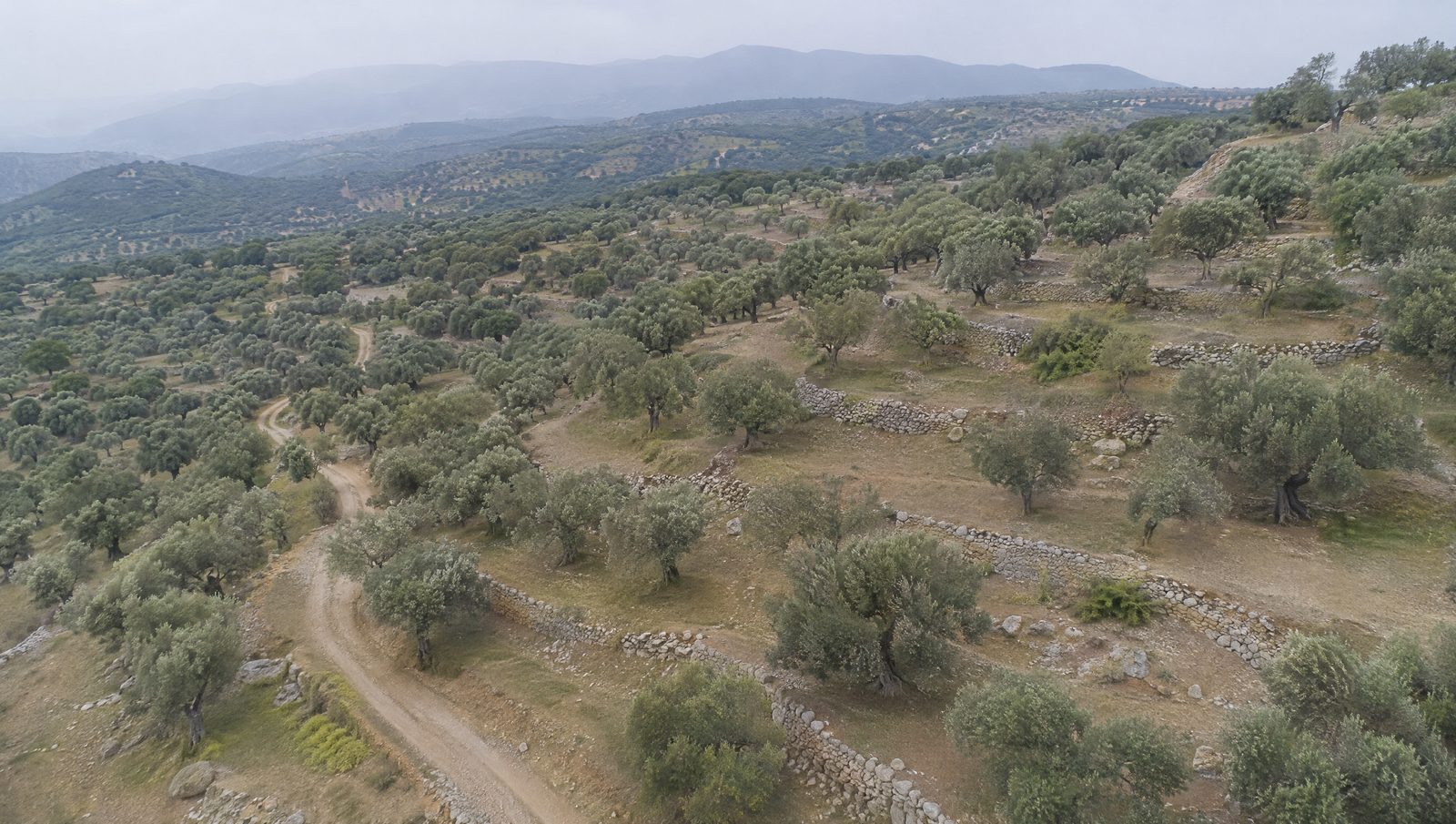
In an olive grove, however, an application for a vineyard house runs up against the Olive Growing Law. The Regulation on the Protection and Use of Agricultural Land (Official Gazette – Resmî Gazete – of 4 April 2026, Issue 33214) covers areas falling under Law No. 3573 only “with regard to provisions not contained in Law No. 3573” (Article 1/2-b). In other words, for an olive grove you look first at Law No. 3573, and that law prohibits reducing the area. This is not a separate article in the Law stating that “vineyard houses are prohibited”; it is the practical consequence of the ban on reduction. The outcome does not change even if the olive grove exceeds 10 dönüm.
Can you put a container, tiny house, prefab, timber or steel house on an olive grove?
No. The building material does not change the outcome. The Zoning Law No. 3194 (3194 sayılı İmar Kanunu) defines a building as “fixed and movable installations” (Article 5). A container, prefabricated house, tiny house, bungalow, timber or steel house that is fixed to the ground, connected to water, electricity or a septic tank, or set aside for permanent occupation devotes part of the olive grove to housing – in other words, it reduces the area. For the general agricultural land rules on such structures, see our article on containers and tiny houses on farmland.
The Olive Growing Law contains no separate penalty for unauthorised buildings. As an olive grove is also agricultural land, the sanctions in Article 21 of Law No. 5403 apply to an unauthorised building:
An administrative fine of 2,500 TL per square metre of the area used. This amount applies to violations committed after 20 June 2026; for unauthorised buildings constructed earlier, the old amount applies under the rule that the more favourable law applies to misdemeanours. If the olive grove is in a large plain conservation area, the fine is doubled.
An application for a permit may be made within one month of notification of the fine; however, no permit will be granted for a home in an olive grove.
Anyone who does not apply, or whose permit is not approved, is given 2 months to demolish the building and restore the land to a condition suitable for agricultural production; if it is not demolished within that period, the fine is applied three times over and the building is demolished by the authorities.
Unauthorised buildings cannot be connected to electricity, water or natural gas.
If trees have also been uprooted, the Olive Growing Law penalty described below is added on top of these.
Can I uproot olive trees to make room?
No. Under Article 20 of Law No. 3573, uprooting an olive tree requires the permission of the Ministry of Agriculture and Forestry based on technical-scientific grounds. Before permission is granted, a favourable opinion is obtained from the research institute affiliated to the Ministry and, where one exists, from the chamber of agriculture. The Law goes even further: “Even in this case, an olive tree may not be cut down or uprooted unless absolute necessity is established.” Making room to build a house does not count as a technical ground or as absolute necessity.
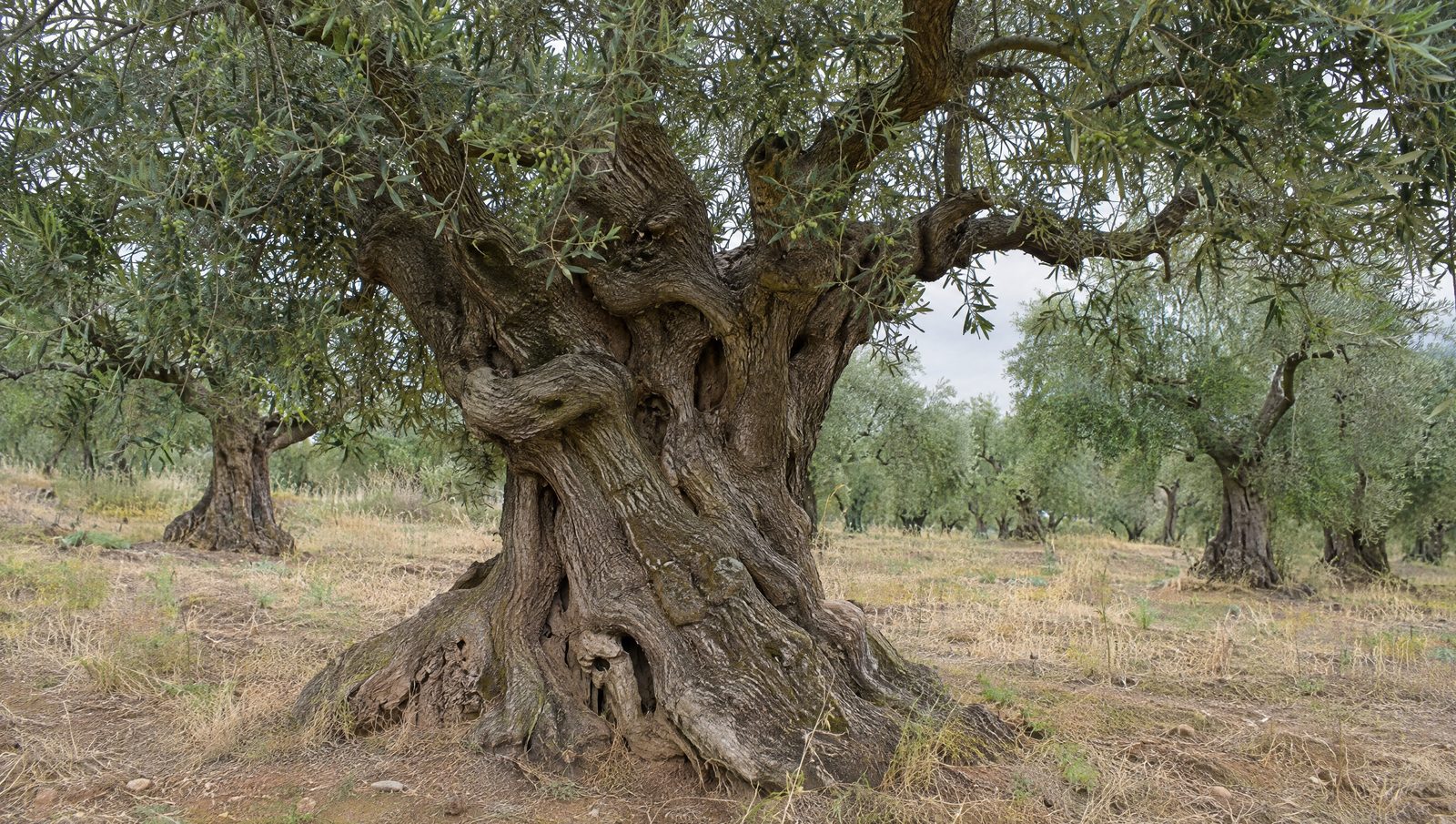
Anyone who cuts down or uproots trees without permission is given an administrative fine per tree. The amount written in the Law (60 TL per tree) dates from 2008. Because administrative fines are increased at the start of each calendar year by the revaluation rate (Misdemeanours Law No. 5326, Article 17/7), the current amount is higher. The fine is imposed by the local chief administrative officer, i.e. the district governor (kaymakam) or the provincial governor (vali) (Law No. 3573, Article 21).
Which facilities are permitted in an olive grove?
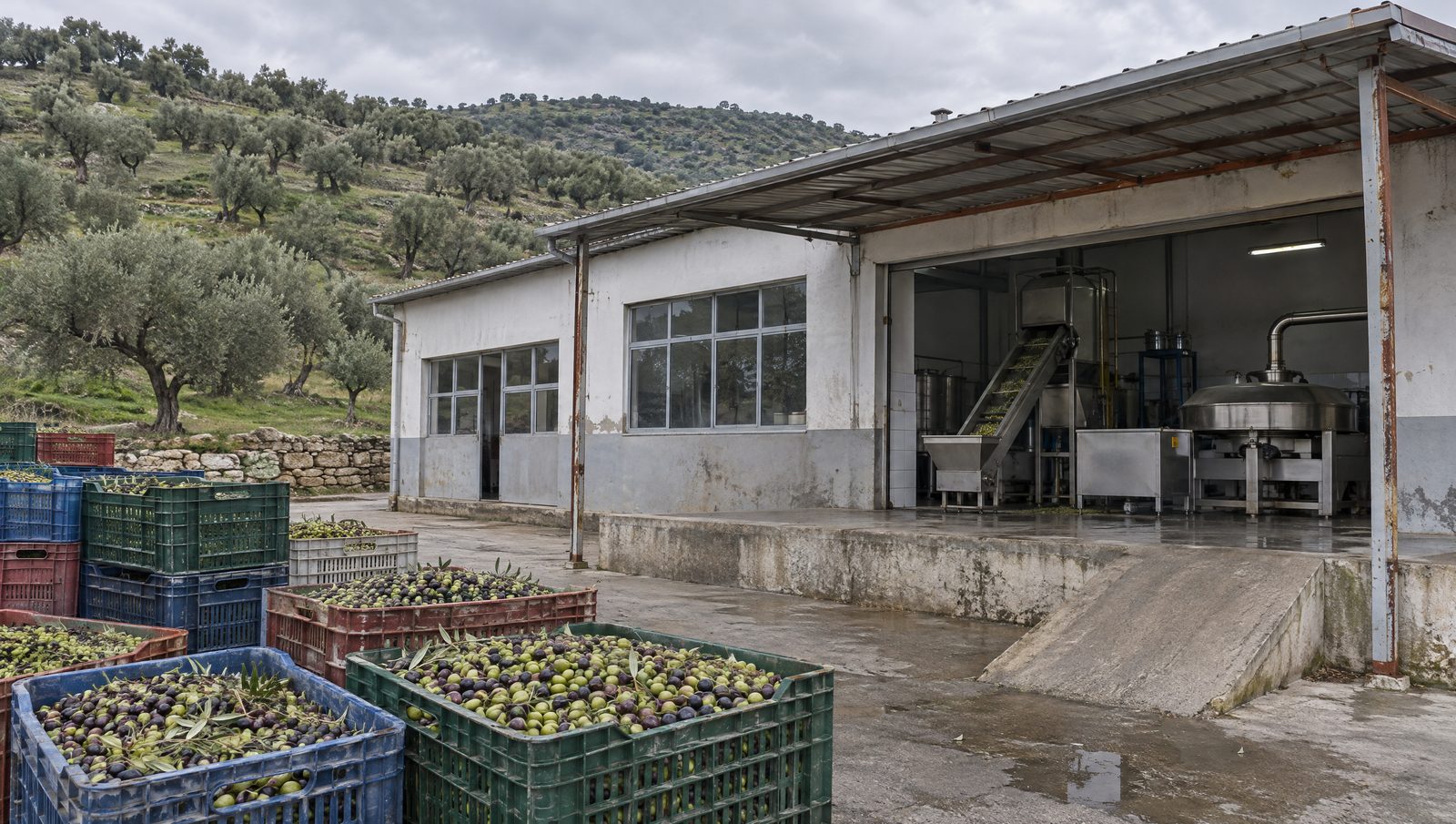
The first paragraph of Article 20 of the Law says two things. First, within olive-growing areas and within at least 3 kilometres of them, no facility – other than olive oil mills – that leaves chemical waste or emits dust and smoke hindering the growth of olive trees may be built or operated. Second, olive oil mills and small-scale agricultural industry businesses to be built in these areas require Ministry permission.
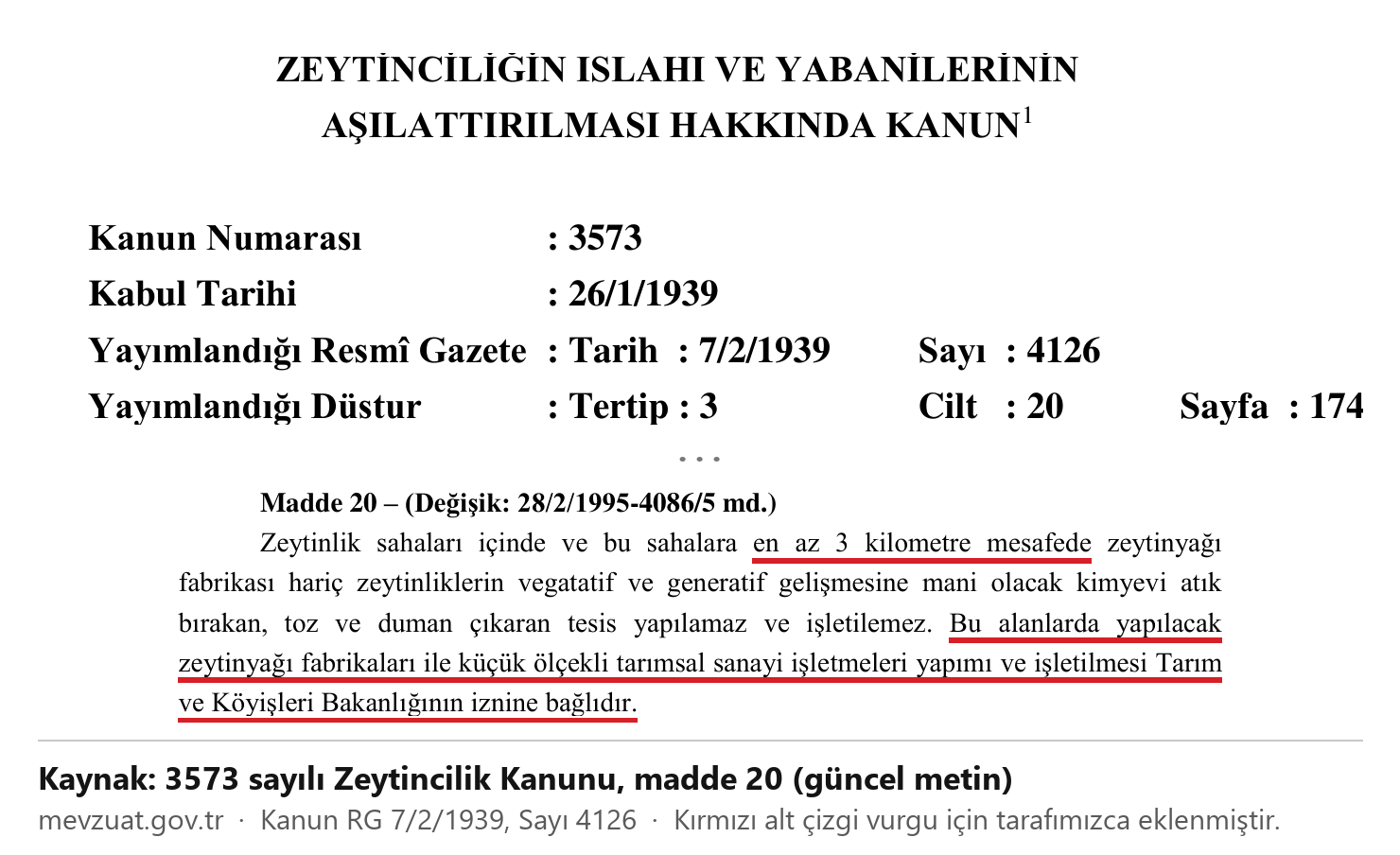
The construction and operation of olive oil mills and small-scale agricultural industry businesses in these areas is subject to the permission of the Ministry of Agriculture and Rural Affairs.
The “Ministry of Agriculture and Rural Affairs” named in the Law is today called the Ministry of Agriculture and Forestry. So the facilities that may be built in an olive grove with Ministry permission are those for processing olives, not homes.
Article 23 of the Olive Growing Regulation once broadened this list: geothermal greenhouses, investments with a public interest decision, renewable energy plants, mining and defence needs. In its decision of 19 February 2015 (Case No. 2012/6113, Decision No. 2015/998), the Eighth Chamber of the Council of State (Danıştay) annulled the article except for its first two sentences. These exceptions are no longer in force.
Can you build a barn, sheepfold or farm on an olive grove?
A barn, sheepfold or farm building constructed inside an olive grove also reduces the area; the ban in Article 20 applies to these as well. For small livestock farming, the Law also contains a separate distance rule. Article 14 of Law No. 3573 states:
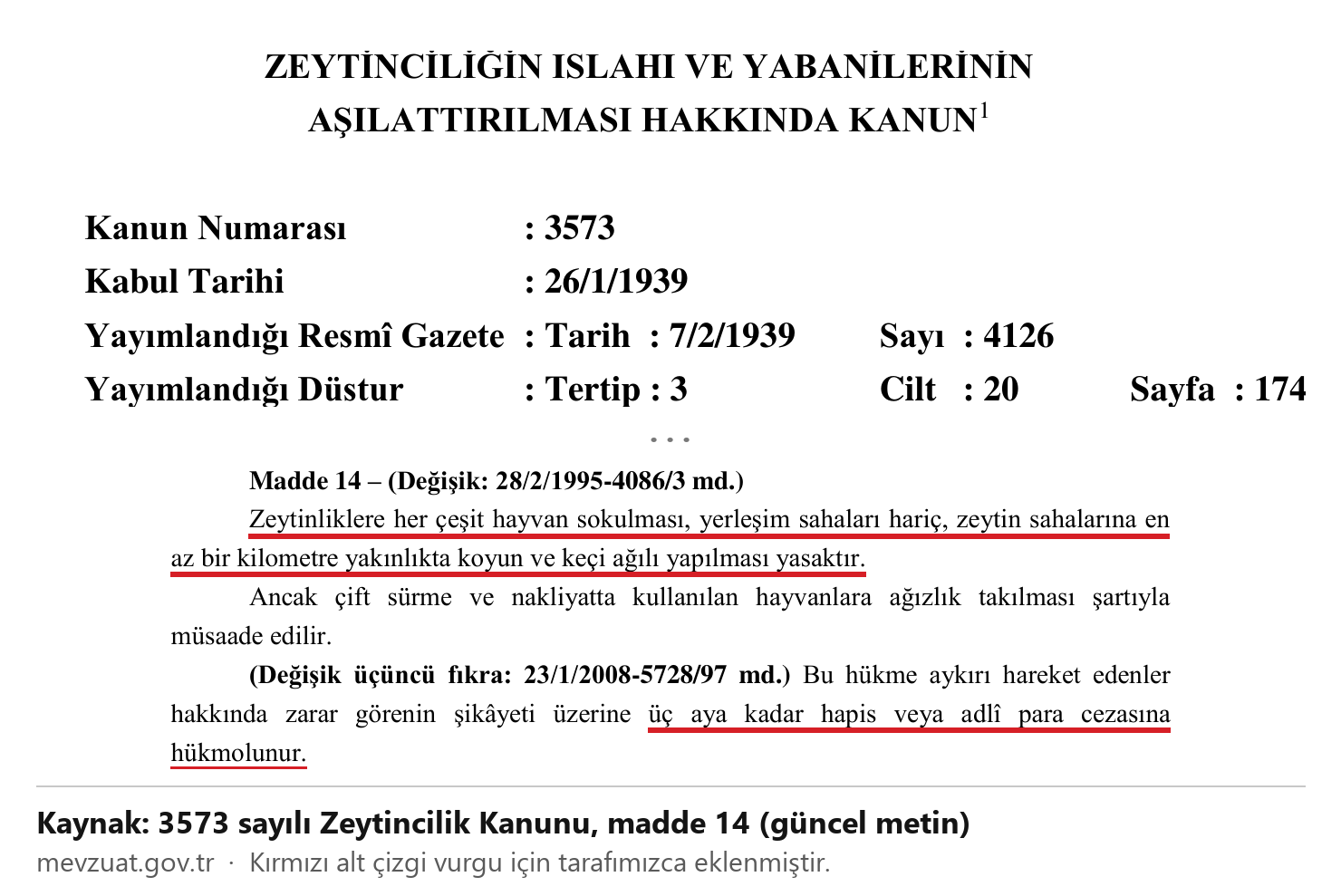
Letting any kind of animal into olive groves, and building sheep and goat pens within at least one kilometre of olive areas, except in settlement areas, is prohibited.
Upon complaint by the injured party, those who act contrary to this provision shall be sentenced to imprisonment of up to three months or a judicial fine.
Note: the sanction for this ban is not an administrative fine but imprisonment or a judicial fine, imposed upon complaint by the injured party. Settlement areas are excluded from this rule. Animals used for ploughing and transport may enter an olive grove provided they are muzzled. If you are planning a sheep or goat pen on land near an olive grove, factor in the 1-kilometre rule from the outset.
Can an olive grove be opened up for development? The 10% rule
An olive grove is not opened up for development at its owner's request. The Law covers only one situation: if an olive-growing area within municipal boundaries is brought within the zoning boundary through a zoning plan (imar planı), total development, including infrastructure and social facilities, may not exceed 10% of the olive grove area. Including roads, parks, schools and buildings, at most 10 dönüm of a 100-dönüm olive-growing area can be set aside for development. The remaining 90 dönüm stays as olive grove.
According to the last sentence of Article 20, zoning plans for olive grove areas that were finalised before the publication of the Law remain valid. The Olive Growing Regulation applies this to plans finalised before the publication of Law No. 4086 of 28 February 1995 (Regulation, Article 24). You can find out the zoning status of your parcel from the municipality it belongs to. For olive groves outside municipal boundaries, the Law provides no such development allowance.
Can you build a house on an olive grove within a village?
Law No. 5403 does not apply within the boundaries of a village settlement area (köy yerleşik alanı – the designated built-up area of a village) (Zoning Law No. 3194, Article 27). That is why homes can be built on plots within a village; details are in our article on village settlement areas. The Olive Growing Law, however, contains no such exception for village settlement areas. Additional Article 2 of the Law excludes certain areas from its scope, but only for Articles 2 and 3, which concern the distribution of State land; it does not cover Article 20.
If you are thinking of building a house on an olive grove within village boundaries, obtain a written opinion from the Provincial Directorate of Agriculture and Forestry before you start.
Which land counts as an “olive-growing area”?
Law No. 3573 does not define an “olive-growing area”. The definition in the Olive Growing Regulation beginning “at least 25 dönüm” was annulled by the same 2015 decision of the Council of State. The Regulation on the Protection and Use of Agricultural Land also states that the number of olive trees used in determining planted land “is not taken into account in determining olive grove areas falling under Law No. 3573” (Article 6/8). In other words, whether a parcel counts as an olive-growing area is a matter for separate assessment. If the title deed says “olive grove” (zeytinlik), that is a strong indication; even if it says “field” or “garden”, ask the Provincial Directorate of Agriculture and Forestry if there are olive trees on the land.
What to look out for when buying an olive grove
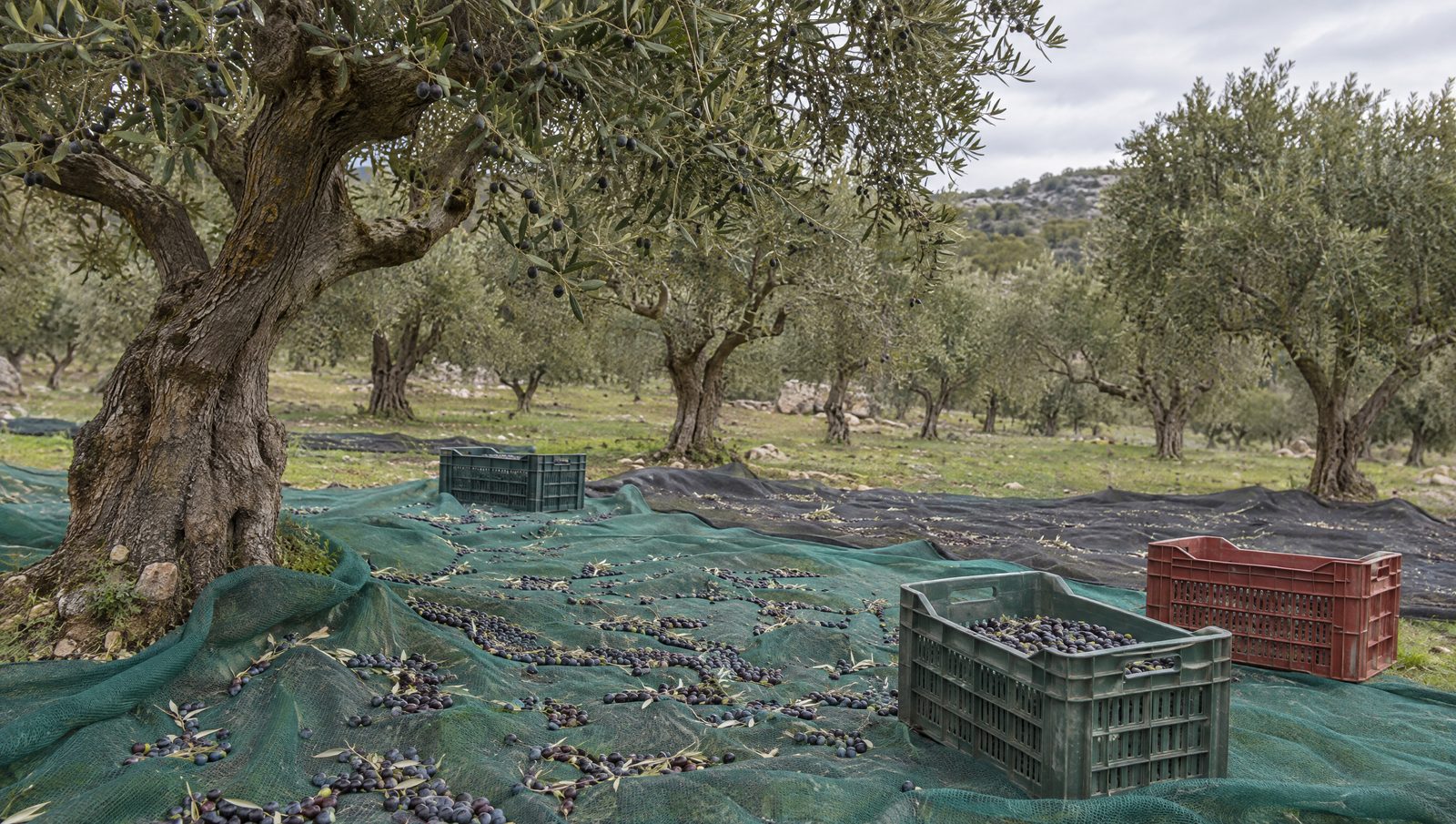
Be clear about your purpose. If you are buying to grow olives, there is no problem. If you are buying to build a house, an olive grove is not the right land.
Check the land type on the title deed and the land itself. If the title deed says “olive grove” or there are olive trees on the land, proceed on the assumption that the land counts as an olive-growing area and ask the Provincial Directorate of Agriculture and Forestry.
If there is a building on it, find out whether it is permitted. The fine for an unauthorised building is imposed on “the landowner or the person who damaged the land”; once you have bought the land, you as the new owner may also be held liable, and the demolition obligation stays with the land. Unauthorised buildings also cannot be connected to electricity and water.
Be careful with sales of shares. Agricultural land cannot be divided into small pieces. Small shares in olive groves (shared title deeds, hisseli tapu) sold as “hobby gardens” should not be bought with the dream of building a house; the subdivision rules are in our article on Law No. 5403.
If the land is in a large plain, the rules are even stricter; see our article on large plain conservation areas.
Ask in writing before you buy. Submitting a petition to the Provincial Directorate of Agriculture and Forestry stating the block and parcel numbers and asking about the status of the land is the safest route.
Frequently asked questions
How many square metres of house can you build on an olive grove?
Since in practice no permit for a house or a vineyard house is granted in an olive grove, there is no square-metre entitlement either. The 30 m² footprint rule for vineyard houses does not apply in olive groves, because the application first runs up against the ban on reduction in Law No. 3573.
What is the penalty for building a house on an olive grove?
As an olive grove is agricultural land, an unauthorised building incurs an administrative fine of 2,500 TL per square metre under Law No. 5403 (for violations after 20 June 2026; doubled in large plains). If the building is not demolished within the period given, the fine is applied three times over and the building is demolished by the authorities; it cannot be connected to electricity or water either. If you uprooted trees to make room, a separate per-tree fine is also imposed under the Olive Growing Law.
How much is the fine for cutting down an olive tree in 2026?
The text of Law No. 3573 states 60 TL per tree; this amount dates from 2008. Because administrative fines are increased every year by the revaluation rate, the amount applied is higher. The fine is imposed by the district governor or the provincial governor. Even if the fine is paid, the fact that the uprooting was unauthorised does not change.
Can a solar power plant (GES) be set up on an olive grove?
The exception written into the Olive Growing Regulation for renewable energy plants was annulled by a Council of State decision in 2015. The rule in the Law that “olive-growing areas may not be reduced” applies. If you are planning an investment such as a solar power plant, look for land outside olive groves and get the opinion of the Provincial Directorate of Agriculture and Forestry in writing.
Can I build a storage shed instead of a vineyard house in an olive grove?
Any structure built inside an olive grove reduces the area. If you need something like a produce store or a tool shelter, the better route is to obtain a permit for an agricultural building (tarımsal amaçlı yapı) on a parcel outside the olive grove.
When was the Olive Growing Law enacted?
Law No. 3573 was adopted on 26 January 1939 and published in the Official Gazette of 7 February 1939, Issue 4126. Article 20 was amended in 1995 by Law No. 4086, and its second paragraph in 2008 by Law No. 5728. As of November 2026, there have been no further amendments to Article 20.
Sources
Law No. 3573 on the Improvement of Olive Growing and the Grafting of Wild Olives, current text (Articles 14, 20, 21 and Additional Article 2). Official Gazette 7/2/1939, Issue 4126.
Regulation on the Improvement of Olive Growing and the Grafting of Wild Olives, current text (Articles 4, 23, 24 and the footnote on the Council of State decision).
Zoning Law No. 3194, Article 5 (definition of a building) and Article 27 (village settlement area).
Soil Conservation and Land Use Law No. 5403, current text (Article 21; amount as set by Law No. 7584, Official Gazette 20/6/2026, Issue 33286).
Regulation on the Protection and Use of Agricultural Land, Official Gazette 4/4/2026, Issue 33214; vineyard house dimensions in Annex 1 as amended by Official Gazette 4/8/2026, Issue 33330 (Articles 1/2-b, 6/8 and Annex 1).
Misdemeanours Law No. 5326, Article 5 (application in time) and Article 17/7 (annual increase of administrative fines).
This article is for general information only. For the specific situation of your land, consult the Provincial Directorate of Agriculture and Forestry or an agricultural engineer.